
Premium Ready to Drink Cocktails That Taste Like a Master Mixologist Made Them
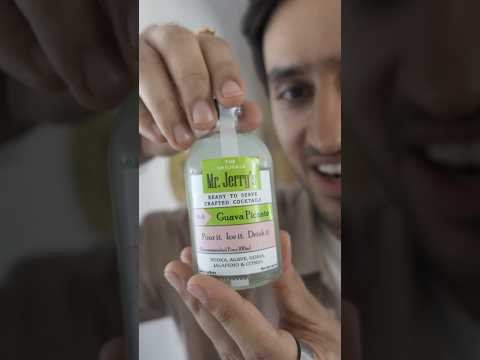
Premium ready to drink cocktails are bar-quality drinks that skip the mixing, shaking, and guesswork entirely—just twist, pour, and enjoy. They use top-shelf spirits, fresh juices, and real botanicals, so every sip tastes like it came straight from a skilled bartender’s shaker. Chill the bottle, pour it over a big ice cube, and garnish with a citrus twist for an instant elevated happy hour at home.
What Separates a Truly Premium Premixed Cocktail From a Basic Canned Drink
A truly premium premixed cocktail starts with real, full-proof spirits and fresh citrus, not a sugar-loaded “flavored malt beverage” base. The separation is immediate on the palate: a basic canned drink hides harsh alcohol behind syrupy sweetness, while a premium ready to drink cocktail balances bitterness, acidity, and botanical depth so the spirit actually leads. You’ll notice it in the texture too—premium versions use proper dilution and carbonation, avoiding that thin, watery mouthfeel. The real tell is whether you can sip it slowly, like a bartender made it, or find yourself gulping it just to finish. Look for batch numbers, small-batch production, and a short ingredient list with recognizable names. If it tastes like a cocktail you’d proudly order, it’s premium. If it tastes like soda with a kick, it’s just canned.
Checking the Base Spirit Quality and Proof on the Label
The label is your first real clue to whether that can holds something special. Checking the base spirit quality and proof on the label means looking past fancy branding to see if they name a specific vodka, gin, or bourbon—not a vague “grain neutral spirit.” A premium RTD will often list the actual distillery, and the proof matters because a watery 5% ABV can’t carry complex botanicals or barrel notes. You want at least 10–15% ABV to taste the spirit’s character. Here’s a quick trick when scanning the fine print:
- Find the alcohol percentage, not just the serving size.
- Check if the base spirit is named or just described as “alcohol.”
- Compare the proof to the sweetness level—higher proof needs less sugar to balance.
If the label hides these details, the liquid probably does too.
Identifying Real Citrus and Botanicals vs. Artificial Flavoring
Real citrus and botanicals in premium RTD cocktails reveal themselves through *behavior*: genuine lemon or yuzu oils turn slightly hazy when chilled and settle into a soft, aromatic sheen, whereas artificial flavoring stays crystalline and smells aggressively sweet. Sniff for evolution—true botanical blends shift on the palate, offering bitter, earthy, or floral layers that fade sequentially. Artificial mixes collapse into one flat, candy-like note. Examine the ingredient list for “natural flavors” as a red flag, since that term often masks chemical reconstructions. Crucially, a real citrus-forward cocktail will taste sharper and more acidic on first sip, then mellow gracefully. If it tastes identical from opening to last drop and leaves a synthetic residue on your tongue, it’s not premium. Identifying real citrus and botanicals requires sensory scrutiny of aroma, texture, and finish—not label claims.
Real citrus and botanicals are volatile, layered, and tactile; artificial flavoring is static, uniform, and candy-sweet—trust your nose and the evolution on your palate.
How to Choose the Right Craft Cocktail for Your Palate and Occasion
Selecting a premium ready to drink cocktail begins with auditing your flavor profile—crave citrus brightness? Choose a Tom Collins or Margarita. For smoky depth, a Mezcal Negroni. Next, espresso martini gift set match the occasion: crisp, low-ABV spritzes suit daytime socials, while stirred, high-proof Manhattans anchor evening dinners. Check the bottle construction; authentic RTDs use real juice and botanicals, not artificial syrups. For desserts, pick an Espresso Martini, but for apertifs, a dry Vermouth-based blend. Crucially, consider serving temperature and glassware—pouring a chilled craft cocktail over one large ice cube preserves dilution and aroma. Finally, trust your memory: if you love a bar’s signature sour, seek RTD versions with a similar sweet-tart balance. This approach guarantees a satisfying, intentional pour every time.
Matching Serve Styles: Carbonated, Stirred, or Barrel-Aged Options
To match a premium RTD to your moment, first consider carbonation: sparkling expressions like a highball or spritz deliver a crisp, palate-cleansing lift ideal for warm-weather gatherings or aperitivo hours. Stirred options, such as a perfect Manhattan or Negroni, offer a silky, spirit-forward profile with a velvety mouthfeel—choose these for quiet dinners or slow sipping. Barrel-aged RTDs bring deep oak, vanilla, and softened tannins, perfect for cold evenings or as a dessert-like digestif. Your serve style dictates the drinking pace, so follow this sequence:
- Assess the occasion’s temperature and formality.
- Match carbonation to thirst-quenching, stirred to elegance, barrel-aged to warmth.
- Select the bottle that mirrors your desired intensity and texture.
Selecting Flavor Profiles Based on Your Go-To Bar Order
Your go-to bar order is the fastest shortcut to picking a premium ready-to-drink cocktail you’ll love. If you usually order a margarita, seek out canned expressions with bright citrus and agave-forward sweetness. A steady gin-and-tonic drinker should gravitate toward botanical, juniper-led RTDs with crisp, dry carbonation. Old Fashioned fans should prioritize barrel-aged, bitters-heavy blends with a lower dilution level. For those who default to a Moscow Mule, look for spicy ginger and zesty lime profiles that deliver that signature kick. Matching your habitual order’s core flavor architecture ensures the bottled version mirrors the balance you already trust. Follow this sequence: identify your base spirit, recall your preferred sweet-sour ratio, then scan labels for matching descriptors.

Best Practices for Serving and Garnishing These Bottled Drinks
Chill the bottle deep in crushed ice for forty-five minutes, never shaking it, so the premium ready-to-drink cocktail stays silky and undisturbed. When you pour, tilt the glass and let the liquid settle like a slow exhale, then lift the bottle with a confident twist to avoid drips. For garnishing these bottled drinks, freshness is your signature: a single expressed orange peel for a negroni, a fat, cold cherry for a Manhattan, never limp or canned. Drop the garnish in just before serving, so its oils and aroma meet the drink’s surface as a final, intentional gesture—turn the glass to the light, and let the guest see the color before they taste it.
Chilling Methods That Preserve Texture Without Diluting the Mix
To keep a premium ready-to-drink cocktail’s viscosity and carbonation intact, chill the sealed bottle in a rapid ice-water bath for 10–15 minutes rather than shaking with ice, which adds melt water. Alternatively, use frozen granite or whiskey stones directly in the glass after pouring—they lower temperature without altering the liquid’s sugar-acid balance. For high-volume service, store bottles at 38°F in a forced-air cooler, never in a freezer, as slow freezing can separate emulsions. The key is non-dilutive chilling via conduction, ensuring a silky mouthfeel and stable foam remain until the last sip.
Upgrading the Experience With High-Quality Garnishes and Glassware
Elevating a premium ready-to-drink cocktail begins the moment it leaves the bottle, and high-quality garnishes and glassware transform mere convenience into a ritual. A chilled coupe or a heavy rocks glass changes the drinking temperature and aroma delivery, while a single expressed orange twist or a hand-cut ice cube adds texture and olfactory depth that bottled formulas lack. Match the garnish to the drink’s profile: a smoked rosemary sprig for a mezcal margarita, a dehydrated lime wheel for a gimlet. Avoid pre-cut citrus that dries out; instead, use a vegetable peeler for a fresh, aromatic ribbon. The glass should be pre-chilled, not just filled, and the garnish placed just before serving to preserve its volatile oils.
Understanding Shelf Life and Freshness of Ready-Made Mixed Drinks

For premium ready-to-drink cocktails, shelf life isn’t just a date—it’s a flavor clock. Unlike cheap mixers, these drinks use fresh citrus, botanicals, or craft spirits that degrade faster, so check the “best by” marker and store them upright in the fridge after opening. Oxidization kills carbonation and dulls bright notes, so seal the cap tightly and finish within 3–5 days for peak taste. A sour smell or cloudy separation means it’s past its prime, even if unopened. **Shake before sipping** to redistribute settled ingredients, but if it tastes flat or metallic, toss it. Q: Can I freeze an opened premium cocktail? A: No—freezing ruins texture and mutes delicate flavors, so drink it fresh instead.
Reading Expiration Cues and Storage Recommendations for Opened Bottles
Once opened, premium RTD cocktails shift from pantry staples to perishable indulgences, demanding sharp attention. Reading expiration cues for opened bottles means trusting your senses over the printed date: a dulled aroma, flat carbonation, or a surprising tartness signals oxidation. For storage, refrigeration is non-negotiable, as consistent cold slows flavor degradation. Immediately reseal the cap tightly after pouring, and return the bottle to the coldest shelf, not the door. To preserve nuanced botanicals and spirits, consume within three to five days for citrus-forward expressions, and up to seven for spirit-heavy blends. Follow this sequence: (1) sniff for off-notes, (2) taste a small sip for sharpness, (3) check for sediment, and (4) discard if texture or taste shifts. Restrain from shaking; gentle swirling is safer for longevity.
Spotting Oxidation or Separation Before You Pour
Before pouring a premium ready-to-drink cocktail, inspect the liquid through the glass for signs of oxidation or separation. A dull, brownish hue replacing the vibrant original color signals oxygen damage, while a cloudy haze or distinct layers—like oil floating atop citrus—indicate emulsion breakdown. Give the container a gentle swirl; if the ingredients refuse to recombine smoothly or leave clumpy residue, the texture is compromised. A sharp, sour or cardboard-like aroma confirms oxidative spoilage. Trust your eyes and nose instantly, because a separated or oxidized pour ruins the crafted balance of spirits and botanicals.
Check color, clarity, and aroma every time—if layers persist or the hue darkens, the cocktail has oxidized and should be discarded.
Ways to Customize and Elevate a Premixed Beverage at Home
Elevating a premium ready to drink cocktail at home is all about tweaking the base without overpowering it. Start by swapping the standard garnish for a flamed orange peel or a luxe maraschino cherry to add aromatic depth and visual flair. You can also upgrade the texture by adding a saline solution—just two drops—to soften bitterness and round out the spirit’s profile. For a personal twist, infuse a small splash of amaro or smoked bitters to introduce a new layer of complexity. Finally, consider the ice: a single large clear cube melts slower, keeping your cocktail perfectly chilled without dilution, which is the ultimate secret to customizing premixed cocktails at home.
Adding Bitters, Smoked Ice, or Citrus Oils to Enhance Complexity
Adding bitters, smoked ice, or citrus oils offers a direct route to elevate a premium ready-to-drink cocktail from simple to sophisticated. A few dashes of aromatic or orange bitters can bridge flavors and introduce a dry, botanical edge that mimics a bartender’s touch. For a dramatic shift, replace standard cubes with smoked ice made from infused water—the slow melt releases a subtle campfire or oak aroma without overwhelming the base spirit. Finally, expressing a fresh strip of grapefruit, lemon, or orange peel over the glass deposits volatile oils onto the surface, instantly brightening the aroma and adding a fragrant, bitter-laced top note. Each addition requires no more than thirty seconds, yet multiplies the sensory layers.

Balancing Sweetness or Acidity With Simple Corrections
If your premium ready-to-drink cocktail lands too sugary or overly sharp, a couple of pantry staples fix it fast. A squeeze of fresh lemon or lime cuts cloying sweetness and brightens the whole sip, while a tiny pinch of salt can mute excess acidity without adding flavor. Conversely, a bar spoon of simple syrup or a bit of honey dissolves quickly to round out a tart, puckering finish. Start with a few drops, taste, and adjust gradually—simple balance corrections transform any bottle. Always stir, never shake, to keep the RTD’s texture intact.
Balance sweetness or acidity in seconds with citrus, salt, or a touch of syrup—taste as you go.
Common Mistakes to Avoid When Buying or Enjoying These Beverages
The most common mistake is chilling a premium ready-to-drink cocktail in a freezer for too long, which dulls its aromatic top notes and can cause separation. Another is serving it over low-quality, watery ice that rapidly dilutes the carefully balanced spirit-to-mixer ratio. Always check the can or bottle for its intended serving method—some require shaking with ice, others a simple pour, and ignoring this ruins texture. Avoid drinking straight from the container when the packaging specifies a glass, as this traps carbonation and alters flavor perception. Also, do not add extra citrus or syrup before tasting the base, as artisanal recipes are already precisely sweetened and acid-adjusted. Finally, never let an opened can sit, as oxidation flattens the cocktail within minutes, destroying its fresh character.
Treat the premixed product as a finished recipe, not a base to improvised on.
Overlooking the Serving Size or Alcohol Content Per Can
Overlooking the serving size or alcohol content per can is a frequent misstep with premium ready-to-drink cocktails, as these beverages often appear deceptively single-serve. A 355-milliliter can may actually contain two standard drinks, especially if the ABV hovers near 12% or higher, so checking the fine print prevents unintended overconsumption. This matters because premium formulations prioritize flavor density, which can mask ethanol warmth, leading you to sip faster than your body processes it. Always calculate total alcohol by multiplying volume by ABV, not just trusting the sleek packaging. Verifying the per-can alcohol content is essential for pacing your evening effectively.
Q: How does overlooking serving size impact your experience with premium RTDs?
A: It skews your anticipated buzz timeline, causing you to drink more quickly or pair with food incorrectly, ultimately diminishing the cocktail’s refined balance and your control.
Serving Directly From the Fridge vs. Using a Proper Chilling Technique
Serving directly from the fridge is a common shortcut, but it often leaves a premium ready-to-drink cocktail tasting flat and one-dimensional. The fridge typically hovers around 40°F, which mutes the spirit’s aromatics and dulls the carbonation’s sharp bite. A proper chilling technique—like shaking the bottle in an ice bath for five minutes or using a chilled coupe glass—drops the temperature closer to 30°F, creating a thicker, silkier mouthfeel and amplifying the citrus or botanical notes. This extra step also controls dilution if you pour over a single large ice cube, rather than letting the bottle warm unevenly. Precision chilling transforms the entire sipping experience, elevating a convenient pour into something that mimics a bartender’s craft. **Q: Does serving straight from the fridge ruin the cocktail?** A: Not ruin, but it suppresses the nuanced layers, whereas a targeted chill unlocks the drink’s intended balance and effervescence.


BÀI VIẾT LIÊN QUAN