
Buy Bulk Ammunition Online for Every Caliber at Wholesale Prices
Ammunition for sale is simply the ready-to-use round—bullet, casing, powder, and primer combined—that turns your firearm from a tool into a working system. You load it, chamber it, and pull the trigger, and the primer ignites the powder to send the projectile exactly where you aim. That’s the real value: instant, dependable performance for target practice, hunting, or defensive drills without any assembly on your end. Just pick your caliber, match it to your gun, and you’re set to shoot.
What to Look for When Buying Ammo Online or In-Store
When buying ammunition for sale, first verify the caliber and cartridge designation matches your firearm’s stamped chamber exactly, as similar names (e.g., .223 vs 5.56) are not always interchangeable. Inspect the lot number and manufacturing date on the box; fresh stock is preferable, but aged, properly stored ammo can still be fine if the primer seal and casing show no corrosion. Check the projectile type—full metal jacket for range practice, hollow point or bonded soft point for defensive or hunting loads—and match the grain weight to your barrel’s twist rate for optimal accuracy. Confirm the packaging is intact, with no loose rounds or crushed primers, especially on shipped boxes. Velocity and pressure ratings vary by brand, so a consistent lot from a known manufacturer beats mismatched surplus. Finally, compare the per-round price after shipping and tax, as online deals often hide costs that negate savings over local shelf stock.
Caliber, Grain Weight, and Bullet Type: What Do the Numbers Mean?
When evaluating ammunition for sale, the numbers on the box define performance before you load a single round. Caliber (e.g., 9mm, .308) dictates the cartridge’s diameter and case length, determining if it fits your firearm’s chamber—never substitute. Grain weight refers to bullet mass (1 grain = 1/7000 pound); lighter grains (115gr) yield higher velocity and flatter trajectories, while heavier grains (147gr) offer 7.62×39 Ammo for Sale deeper penetration and reduced recoil. Bullet type—full metal jacket, hollow point, or soft point—controls expansion, barrier penetration, and stopping power for target practice or self-defense. Matching all three values ensures reliable cycling and accurate shot placement.
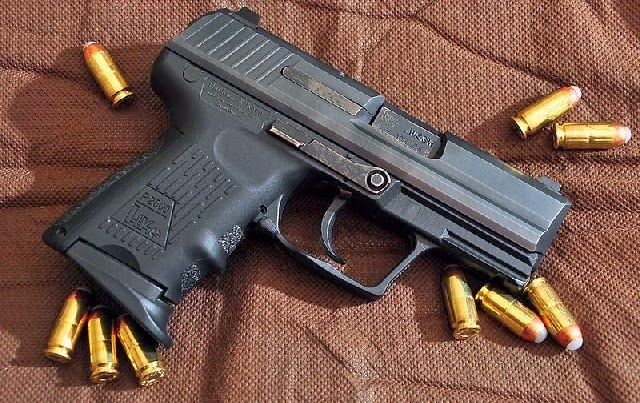
Caliber fits the gun, grain weight balances speed versus punch, and bullet type decides terminal effect—read all three numbers before buying.
New, Remanufactured, or Surplus: Which Option Fits Your Needs?
When browsing ammunition for sale, your choice between new, remanufactured, or surplus hinges on how you shoot. **New factory ammunition delivers consistent accuracy and reliability**, making it the safest pick for defensive use or precision work. Remanufactured rounds, assembled from once-fired brass with fresh primers and powder, cut costs significantly for high-volume practice, provided you buy from a reputable loader that pressure-tests each batch. Surplus ammo, often military-grade and decades old, is the budget king for plinking, but you trade away uniform performance and risk corrosion or hang-fires in older stocks. Match the option to your purpose: trust new for critical situations, remanufactured for training volume, and surplus only for casual range days where minor quirks won’t matter.

New offers maximum dependability, remanufactured balances savings and function, surplus sacrifices consistency for the lowest price—so choose based on whether you need precision, practice volume, or pure economy.
How to Check the Manufacturing Date and Shelf Life of a Cartridge
When you’re inspecting ammunition for sale, the manufacturing date and shelf life of a cartridge aren’t always printed on the box, so check the headstamp on the brass base—most brands stamp a two-digit 5.7x28mm Ammo for Sale year there (like “24” for 2024). If you’re still unsure, peel back the box flap or look for a lot number; some manufacturers encode the date inside that code. Ammo doesn’t spoil like milk, but powder degradation over decades can cause weak or erratic shots, so avoid anything with corroded primers or a musty smell. For storage, keep it cool and dry, and trust a cartridge for roughly ten years in good conditions—but when in doubt, test a round before relying on it.
How to Match the Right Cartridge to Your Firearm and Purpose
When buying ammunition for sale, always verify the cartridge against the barrel stamping—a .308 Win will not chamber safely in a 7.62×51-only rifle, though the reverse may work 7.62×51 Ammo for Sale with caution. Match the cartridge to your purpose: for deer at 200 yards, a .270 or 6.5 Creedmoor offers flat trajectory and ethical energy, while a .223 Remington suits varmints and light-frame competition. For bear defense, a hard-cast .44 Magnum or 10mm Auto with heavy bullet weight matters more than velocity. Always prioritize the firearm’s designated chambering over marketing hype. Q: How do I choose between .30-06 and .308 for hunting? A: Pick .30-06 for heavier bullets and longer ranges; choose .308 if you want a shorter action and lighter recoil with adequate power inside 400 yards—both are available in bulk from most ammunition for sale outlets.
Choosing Between Full Metal Jacket, Hollow Point, and Soft Point Rounds
When selecting ammunition for sale, your projectile choice hinges on terminal effect and target type. **Full metal jacket rounds** offer deep penetration and reliable feeding, ideal for training or competition where over-penetration is a secondary concern. Hollow points expand rapidly upon impact, transferring energy decisively, making them optimal for self-defense where stopping power is paramount. Soft points represent a middle ground, using exposed lead to Ammo Cans & Storage for Sale initiate controlled expansion while retaining more mass than a hollow point, which is particularly effective for medium-game hunting where you need both penetration and tissue damage. Match the round’s behavior to your specific application, not the firearm’s hype. Q: For choosing between these rounds, what matters most? A: Your primary purpose determines it—practice demands FMJ, personal protection favors hollow points, and hunting often suits soft points.
Selecting the Correct Grain Weight for Target Shooting, Hunting, or Self-Defense
Selecting the correct grain weight hinges on the ballistic goal of each discipline. For target shooting grain weight selection, lighter bullets (e.g., 55-grain in .223) deliver flatter trajectories and lower recoil, aiding rapid follow-up shots at known distances. Hunting requires heavier projectiles (e.g., 150–180-grain in .30-06) to ensure deeper penetration and reliable expansion on game. Self-defense loads typically favor mid-weight bullets (e.g., 124-grain 9mm) that balance penetration depth with controlled expansion in ballistic gel. Consider your firearm’s barrel twist rate, as it dictates stabilization. Follow this sequence:
- Identify your primary use case
- Check the manufacturer’s twist-rate recommendation
- Test two adjacent grain weights on paper to verify group size
Then purchase bulk ammunition that matches the best-performing option.
Why Velocity and Ballistic Coefficient Matter for Long-Range Accuracy
When selecting ammunition for long-range work, velocity and ballistic coefficient directly dictate your hit probability. Higher velocity flattens .17 HMR Ammo for Sale the trajectory, reducing holdover errors and shortening time of flight, which minimizes wind drift exposure. Ballistic coefficient (BC) measures how efficiently a bullet retains that velocity against air drag; a high BC sustains downrange energy and resists crosswind deflection far better than a low-BC projectile. Matching a fast, high-BC load to your barrel’s twist rate ensures stable flight and predictable drop at extended distances. Without optimizing both, even a perfectly matched cartridge will suffer excessive drop and wind drift, making precise first-round impacts at 800+ yards unreliable.
Practical Tips for Storing and Handling Your Purchased Rounds
When you buy ammunition for sale, treat every round with the same discipline you used in selecting it. Store your purchased rounds in a cool, dry, airtight container—ideally the original factory box inside a sealed ammo can with a desiccant pack—because humidity is the fastest way to corrode primers and powder. Handle each round by the case, never the bullet tip, and avoid dropping loose rounds into a range bag where they can shift and deform. For long-term storage, rotate your stock by date: use the oldest purchased rounds first to maintain consistent ballistics.
If your fingers leave oil on the brass, wipe them off immediately before they attract moisture that can cause case corrosion and feeding failures.
Inspect every round before loading, rejecting any with dents, loose bullets, or green oxidation, and never mix reloads into your factory-purchased supply.
Best Practices for Keeping Your Ammo Dry, Cool, and Corrosion-Free
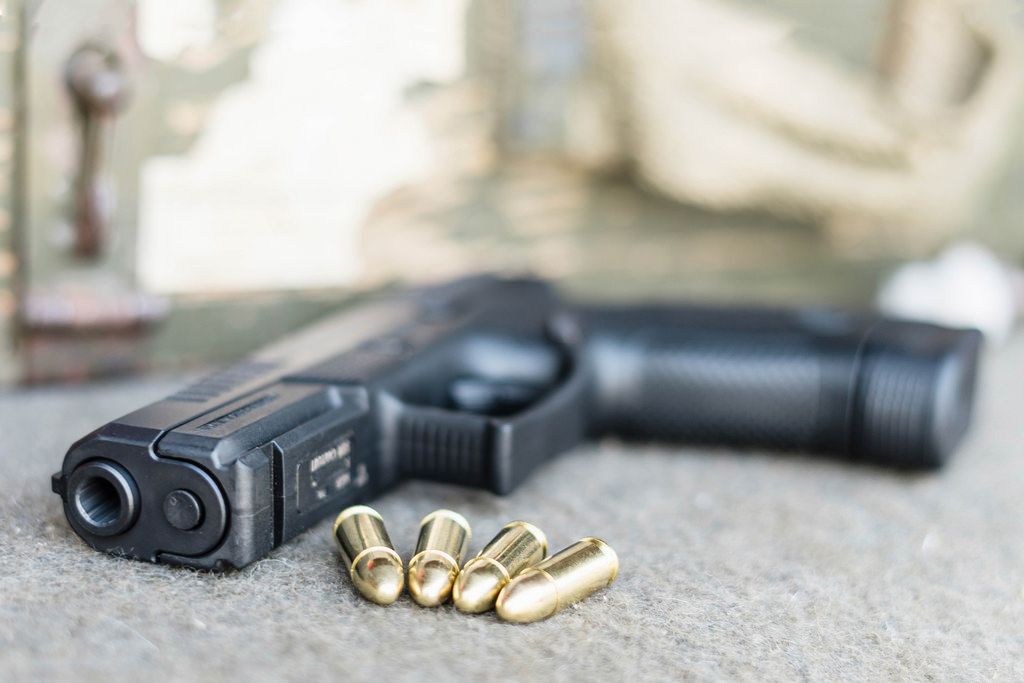
To keep your purchased rounds in peak shape, treat moisture as the enemy and always store ammo in a sealed container with silica gel packets. Avoid attics or garages where temperature swings cause condensation; a cool, stable closet works best. Wipe down boxes before sealing to prevent transferring salts from your hands. Even factory-fresh ammo can corrode if you ignore humidity, so check your stash every few months for tarnish. For long-term storage, add a light oil film to exposed brass in bulk cans, but never soak primers. Consistent, dry, temperature-stable storage is your best defense.
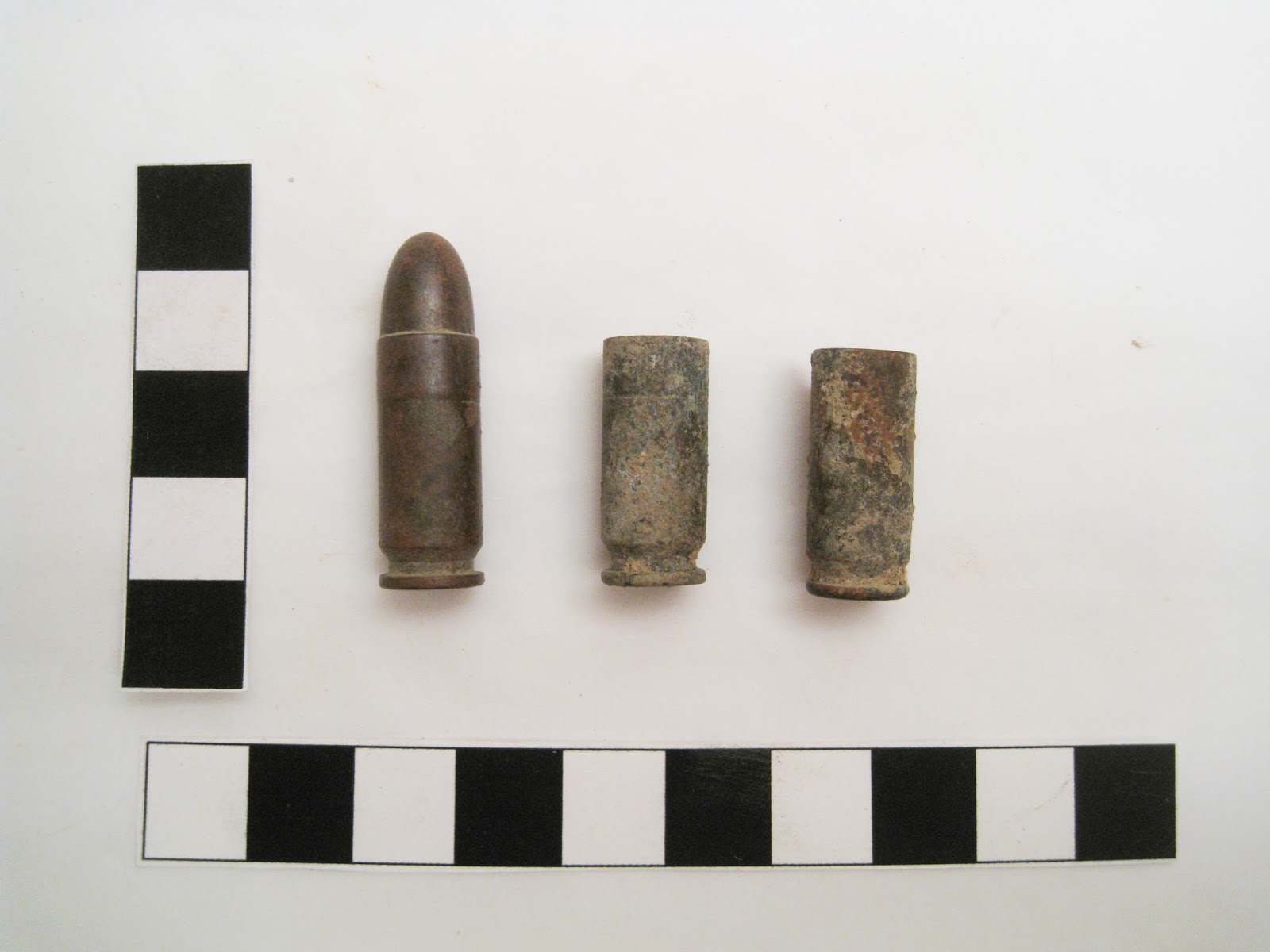
- Use airtight military-style cans with desiccant packs.
- Keep ammo off concrete floors—use shelves or pallets.
- Rotate stock, using older rounds first to avoid age-related issues.
- Inspect for green patina or white powder, and discard affected rounds.
Using Ammo Cans, Desiccants, and Rotation Systems to Preserve Reliability
To keep your purchased rounds firing flawlessly for years, ammo preservation hinges on a three-part system: hard cases, moisture control, and disciplined rotation. Transfer bulk purchases into sturdy, sealed ammo cans—the airtight seal keeps out dust and humidity. Inside each can, toss in a silica gel desiccant pack; these aggressively absorb residual moisture that causes corrosion and primer failure. Don’t just store and forget—implement a rotation system. Use older stock first by labeling cans with purchase dates, then placing new arrivals at the back of your shelf. This ensures every round spends minimal time in storage, and you constantly refresh your supply. Think of it as a buffet line for your ammo—oldest gets eaten first.
Q: How often should I check my ammo cans’ desiccants?
Inspect them every six months; if the indicator crystals change color or the pack feels squishy, replace or oven-dry it. A quick check during seasonal changes keeps your sealed rounds battle-ready.
How to Identify Signs of Damage or Duds Before Loading Your Magazine
Before loading your magazine, inspect each round from ammunition for sale to catch flaws that cause failures. Check the primer for a deep, centered strike indentation—a shallow or off-center mark signals a potential dud. Examine the casing for cracks, corrosion, or bulges, especially near the base, which indicate pressure issues. Roll the cartridge between your fingers to feel for dents or loose bullets. Visual and tactile inspection of purchased rounds prevents chamber obstructions and misfires. A round that looks perfect may still fail, but obvious damage is your earliest warning.
- Reject rounds with scratched, corroded, or green-tinged cases.
- Confirm the bullet is seated firmly—no wobble or setback.
- Discard any cartridge with a flattened or .17 WSM Ammo for Sale pierced primer.
- Check for excessive crimp or neck cracks before loading.
What to Consider When Comparing Prices and Bulk Buying Options
When you see a low per-round price on a bulk case, your first instinct is to save, but the real cost hides in the shipping weight and hazmat fees. I learned this when I priced a 1,000-round order that looked golden until the checkout added a $40 surcharge, erasing the discount. Always calculate the **final delivered cost per box**, not the shelf tag. Similarly, a pallet deal means nothing if your specialty sports & supply safe holds only four ammo cans; buying 5,000 rounds of 9mm when you shoot 200 a month ties up cash in primers that could corrode in humidity. Compare **bulk buying options across calibers you actually use**, and check if the vendor offers free shipping thresholds. The real win is matching the case size to your realistic rotation, not just the biggest brick on sale.
Calculating Cost Per Round vs. Overall Value: Is Cheaper Always Better?

Crunching the per-round price is only step one; the real question is what that number buys you in performance and reliability. A bargain box might shave cents off each shot, but if it causes failures or inconsistent accuracy, your overall value plummets when you factor in wasted range time and frustration. Conversely, premium match-grade ammo isn’t automatically “better” for plinking, where its precision gain goes unused. The sweet spot lies in identifying your firearm’s preferred load and then comparing cost per round only within that accuracy tier. Before stocking up, buy a 7mm PRC Ammo for Sale small sample to verify function, then calculate bulk savings against that baseline. Cheaper is only better when the cost per round drops without sacrificing the reliability your shooting demands—otherwise, you’re just paying less to shoot worse.
When to Buy in Bulk: Advantages of Case Purchases for Frequent Shooters
For frequent shooters, buying ammunition by the case is most practical when you maintain a consistent training or competition schedule, consuming at least 1,000 rounds monthly. Case purchases for frequent shooters lower per-round cost significantly, often by 10–20% compared to boxes, and reduce per-order shipping fees, which usually offset the higher upfront payment. This approach works best for a single, trusted load you use for standard practice or match stages, not for testing new brands. Case storage also ensures you never run low before a weekend 5.56 Ammo for Sale match. However, only commit if you have dry, cool storage space and the financial buffer to buy before you absolutely need ammunition.
Understanding Shipping Fees, Backorder Status, and Return Policies for Online Orders
When comparing ammunition prices, factor in **shipping fees and hazmat surcharges**—these often erase per-round savings from bulk deals. Always check whether an item shows “in stock” or “backorder”; backordered ammunition can delay your order for weeks or months, making a cheaper price irrelevant if you need rounds soon. Review return policies before purchase: many retailers refuse returns on ammunition due to safety regulations, so confirm whether damaged or incorrect shipments are replaceable or only credited. Calculate total landed cost per round, including shipping and potential restocking fees, to truly compare bulk options. Backorder status verification prevents payment for phantom inventory.
Q: Can I return unopened ammunition if the backorder never ships?
A: Most retailers allow cancellation and refund for unfulfilled backorders, but once shipped, ammunition is final sale—keep your order confirmation to file a damage claim within 48 hours of delivery.
Answers to Common Questions About Buying and Using Ammunition
When browsing ammunition for sale, the most common question is whether bulk purchases save money—they do, often cutting per-round costs by 15–30%, but only if you reliably use that caliber. Another frequent concern is matching the exact bullet weight and type to your firearm’s twist rate; a 55-grain .223 performs differently than a 62-grain load in the same rifle. Q: Can I mix brands from different boxes? A: Yes, for practice, but for defensive or precision use, stick to one lot to ensure consistent pressure and point of impact. Finally, always verify that the ammunition for sale is factory-new, not reloaded, if you demand maximum reliability. Asking these questions before checkout saves you from wasted range time and potential malfunctions.
Can You Mix Different Brands or Lots of Cartridges in One Session?
Mixing different brands or lots of cartridges in a single session is technically possible but generally discouraged for consistent performance. Each lot 7.62x54R Ammo for Sale and manufacturer varies in powder charge, bullet weight, and primer sensitivity, which can shift your point of impact and cause unpredictable recoil or cycling behavior. For target work or load development, stick to one lot to ensure uniform pressure and accuracy. If you must mix, shoot each lot in separate magazines or cylinders, and re-zero your optic before relying on mixed ammo for defensive use. This practice also complicates troubleshooting malfunctions, since you won’t know which specific cartridge caused a failure. Using consistent lot numbers and brands per session yields the most reliable results and simplifies range diagnostics.
What Is the Minimum Effective Self-Defense Load for a Pistol or Revolver?
For a pistol or revolver, a minimum effective self-defense load is five rounds of quality defensive ammunition—typically .38 Special +P in a snub-nose revolver or 9mm in a compact semi-auto. This floor covers the average close-range encounter, which concludes within three shots from two to three yards. Carrying fewer than five invites failure under stress, where a malfunction or miss can exhaust your cylinder or magazine. Choose expanding hollow points, not ball ammo, to ensure reliable stopping power per round. Q: What Is the Minimum Effective Self-Defense Load for a Pistol or Revolver? A: Five rounds of proven hollow-point ammunition—enough to neutralize one threat, but always carry a reload for multiple aggressors.
How to Test Your Firearm with Different Ammo to Find Its Preferred Diet
To identify your firearm’s preferred diet, buy several test boxes of ammunition for sale from different manufacturers and bullet weights. Shoot from a rested position at a fixed distance, using the same target type and sight picture for each batch. Fire a five-shot group per load, then let the barrel cool completely between batches to avoid heat-induced flyers. Compare the group sizes and point-of-impact shifts; the tightest cluster with consistent feeding and ejection is your winner. Record the lot number, velocity, and weather conditions, then retest the top two candidates on a separate day to confirm repeatability before stocking up.
- Test at 25 yards for handguns and 100 yards for rifles to reveal accuracy differences.
- Cycle the action manually after each shot to check for feeding and extraction reliability.
- Clean the barrel between brand changes to prevent copper or powder residue from skewing results.


BÀI VIẾT LIÊN QUAN